Pastured Beef and Chicken in Southwest France
depuis 2010
building pasture on our 72 hectare farm in COURRENSAN, France.
25 – 27 juin clic ici prochaine vente

We Deliver
Collect your order:
.
Colomiers
L’isle / Gimont / Auch
Lectoure
Condom / Eauze
Marciac
Vic / Aignan
la Ferme
Courrensan / Gondrin
25 – 27 juin NEXT SALE Beef and Chicken!
What We Do


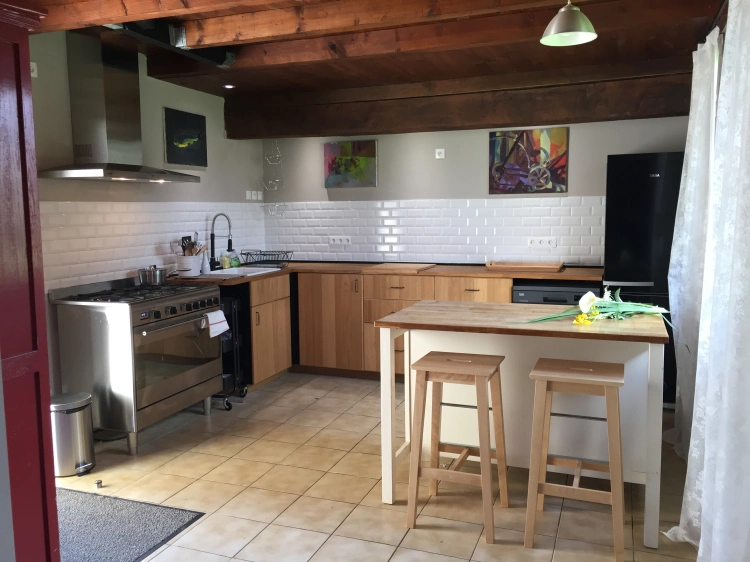
Come stay with us! Three bedroom house. Kid friendly. Learn about the farm. Help move the herd.
Why You’ll Love Us
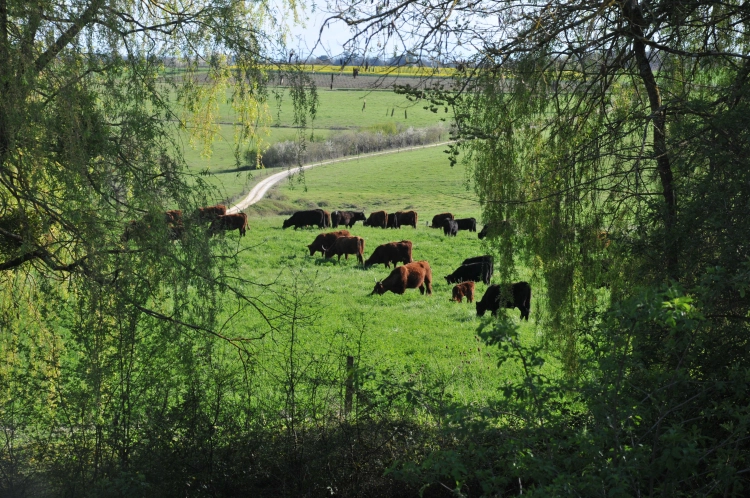
There has never been a better time to eat local. Local means knowing your farmer. Where your food comes from. Born and raised here in Courrensan
- Delicious
- Ethical
- Sustainable
- Building Pasture
- Free delivery
“Reminds me of beef when I was a child”
“Tastes like chicken!”
“Could be better at response time”
Hear it from Brent
Brent’s Blog
- Thank you for the Swanndri, anonymous New ZealanderMy family is from New Zealand. I was born there way back in the last millennium but felt the pull of the bright lights and moved off to Australia when I was 18 months old. One thing from New Zealand… Read more: Thank you for the Swanndri, anonymous New Zealander
- First thing in the morningTwo first-calf heifers and five calves. There may be some confusion here.
- All Enzo’s calves are blackWe started using Angus bulls a few years ago. It’s the number one cow breed for grass-fed beef so we wanted to give it a try. We started with Angus bulls and have now added a set of Angus cows… Read more: All Enzo’s calves are black
 Grasspunk Farm